
The timing system is an essential part of the engine, and replacing a timing mechanism can be costly (several hundred euros). Worse, in some cases, poor maintenance of the timing system can lead to engine failure!
It is important to first understand the role of the timing system. Then, we will delve deeper into the timing mechanisms: the timing chain, the timing belt, and the oil-bath timing belt!

The role of the timing system
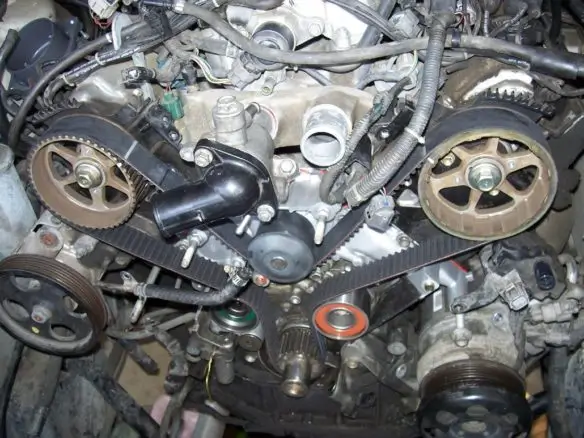
The engine timing system plays a crucial role in the engine's operation, synchronising the camshaft with the crankshaft, thereby controlling the intake and exhaust valves based on the engine's position. It also drives the water pump, a key component of the engine's cooling system. In short, a well-maintained timing system is vital for the engine, and its maintenance must be strictly followed.
If there is an issue with your timing system, your engine is at serious risk. A belt break while the engine is running usually results in engine failure. Valves colliding with pistons can cause significant damage.
The components of the engine timing system, usually part of the timing kit, include a timing chain or a timing belt and tensioner pulleys. It is generally recommended to also replace the water pump. Proper maintenance of the timing kit is crucial.
Tip: A desynchronised timing system can prevent the engine from starting! A diagnostic tool can warn you of potential risks by detecting the fault code P0016.
Besides poor maintenance, other causes can lead to timing system issues, such as:
- Coolant or oil leaks.
- Foreign objects in the timing system.
- Abnormal temperatures (too hot or too cold) under the car bonnet.
- Defective engine parts.
- Excessively worn timing belt.
Note that it is essential to regularly replace the components of your timing kit, especially for dry belt mechanisms.
The timing chain
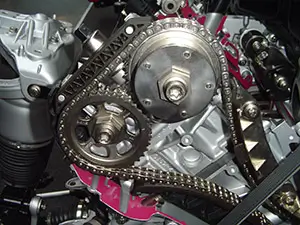
It was common in most pre-1990s engines, but in recent years, the timing chain has made a strong comeback in engine timing kits! The chain consists of metal links. It is lubricated by engine oil and is housed in a sealed casing. A hydraulic tensioner ensures the chain's tension.
Advantages of the timing chain
The main advantage of the timing chain is its lifespan, which is equal to or exceeds 200,000 km. This will save you from maintenance costs!
Issues with the timing chain are rare, so replacing it is uncommon. If you are a novice in mechanics and do not want to deal with your timing mechanism, a chain-based timing system is ideal.
Tip: When selling your used car, the presence of a timing chain can be an additional selling point!
Disadvantages of the timing chain
Do you think the timing chain is the perfect solution? Hold on, this option does have some drawbacks that might make you reconsider.
Firstly, note that the timing chain is heavier than a timing belt. It requires more energy from your engine to overcome the inertia caused by its greater weight. This results in higher fuel consumption, which is not ideal for eco-conscious driving.
Additionally, engines equipped with a timing chain produce more noise. Lastly, a chain-based system is bulkier than a belt system and requires more space in the engine compartment.
The timing belt
Advantages of the timing belt
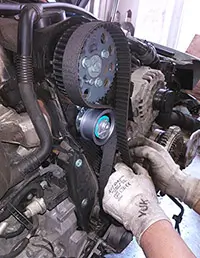
An alternative to the chain: The timing belt. It offers advantages that the previous solution does not.
The timing belt is much lighter than a chain, so it requires less effort from the engine and is therefore less energy-intensive. It also provides better responsiveness due to lower inertia on the engine's rotating parts. Another positive point is that this solution produces very little noise.
The belt itself requires no maintenance, but periodic replacement is necessary!
Disadvantages of the timing belt
The lifespan of a timing belt is not unlimited; follow the manufacturer's recommendations. Generally, it should be maintained every 5 years or 120,000 km on average (whichever comes first). Failure to do so can lead to major problems, as poor timing system maintenance can eventually cause engine failure.
While the timing belt is lighter, it requires more frequent maintenance and is less durable. Temperature changes and potential coolant leaks can weaken the belt over time, causing cracks.
The oil-bath timing belt
There is also a system that combines the advantages of the two previously discussed timing systems: the oil-bath timing belt (also known as a lubricated timing belt). This system offers the benefits of both chains and belts: lightweight, quiet, less energy-intensive, and less frequent maintenance...
However, this technology is very recent and is only available on the latest engine generations, such as PSA's PureTech range or Ford's EcoBoost engines.
Through this article, you have learned about the features of the different timing systems available. Remember not to neglect your timing system's maintenance, as it could severely damage your engine, even leading to its failure!
When buying a used car, make sure to check the type of timing system in the vehicle and review its maintenance log. Note that if the timing system is nearing the end of its life, replacement costs can range from €300 to €800.
What are the other timing system components?
Share this article