
The engine of a car consists of several mechanical parts used for intake. Most of these parts can cause faults that can be detected using a diagnostic tool.
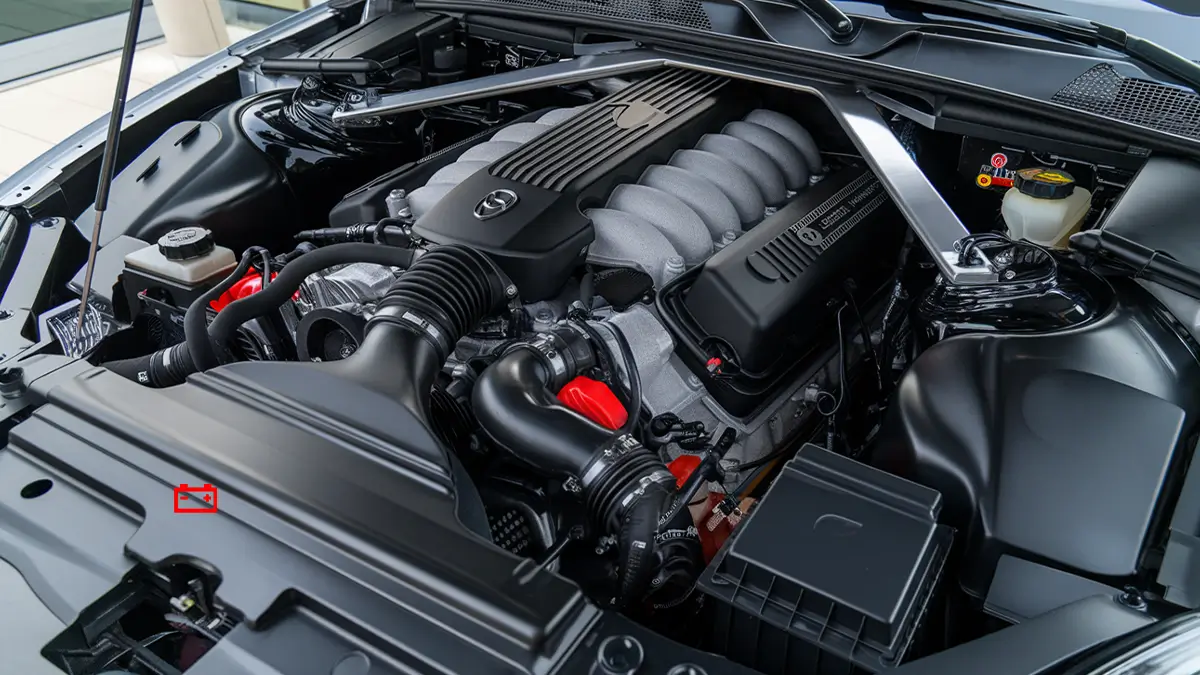
The intake manifold: how to diagnose the fault?
The intake manifold's role is to allow air to enter the engine pistons. It enables the combustion of fuel to occur.
This mechanical part is not always referred to by the same name, even though it is the same component. Its various names include:
- Intake manifold
- Intake pipe
- Intake tubing
- Air distributor
- Manifold (in English)
Faulty throttle body: operation and cleaning
The throttle body is a mechanical part of the intake system that is not very well known, although it is essential for its proper functioning. The throttle body is crucial for achieving a proper air/fuel mixture in your engine.
Over time, this part tends to get dirty and may even become clogged, which can result in increased fuel consumption and, consequently, higher pollution levels.
Faulty air flow meter: operation and diagnosis
This part is essential for the engine's proper functioning. It manages the amount of air sent into the engine. Located after the air filter, the air flow meter informs the car's ECU of the amount of air admitted.
A faulty air flow meter can cause numerous engine problems during combustion. It is therefore important to ensure it functions correctly.
the different sensors in the engine intake system
Boost pressure sensor: what is it used for?
You may have already heard of the boost pressure sensor, also known as the MAP sensor. It is fitted to certain types of diesel or petrol engines and provides information that can be useful to your engine's ECU.
The information provided by this sensor allows the ECU to adjust the injection duration, particularly based on the engine's different load states or the external air temperature. It also enables it to vary the ignition timing.
Accelerator pedal sensor: operation and diagnosis
This engine part can also be referred to as the accelerator pedal potentiometer. It is generally located behind the accelerator pedal.
The accelerator pedal sensor transmits the accelerator's position to the engine's ECU. This information allows the vehicle's speed to immediately match the driver's input when pressing the accelerator pedal more or less forcefully.
Learn more about engine parts
Share this article