
In recent years, access to your car’s electronics has become widespread. It’s easy for anyone to repair their car alone and run a scan to check for problematic parts.
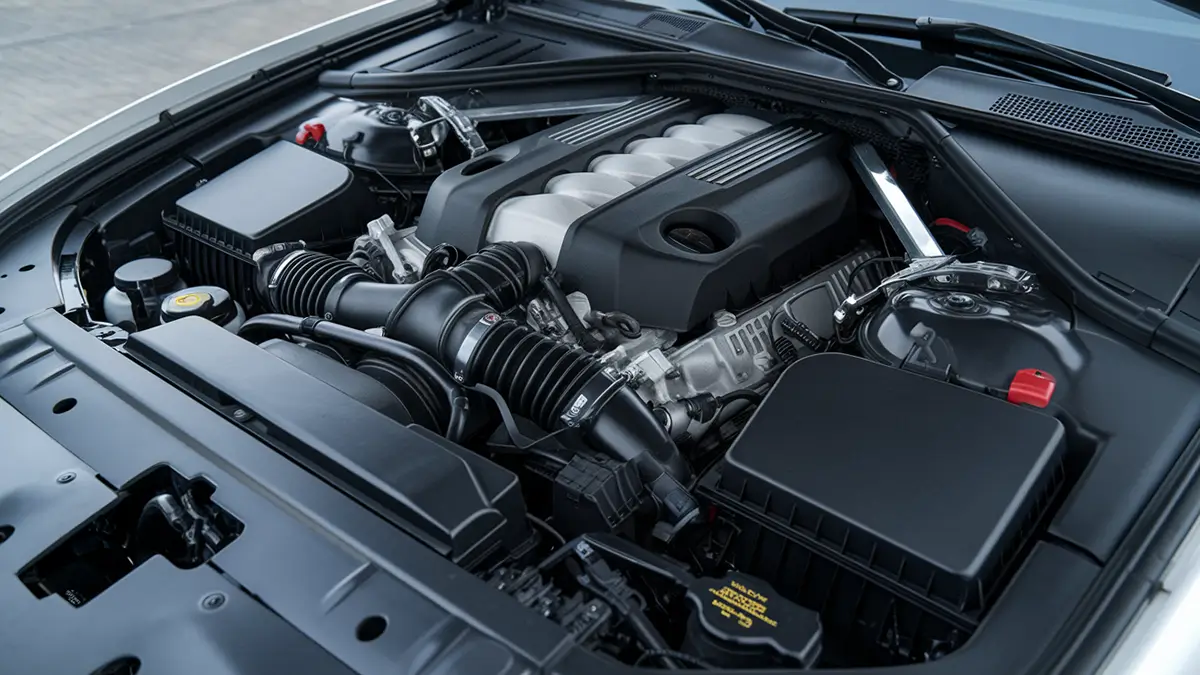
Faulty exhaust system: guaranteed pollution
The exhaust system is the final component of your car’s “engine environment.” Indeed, the exhaust line treats exhaust gases and particulates produced during fuel combustion in the engine.
These parts are essential for your car’s performance and emissions compliance—without them, your vehicle would fail its technical inspection.
Engine intake: the involved parts
The engine intake is the first stage of the combustion cycle. It occurs at the start of the combustion process and delivers the air and fuel needed for combustion.
Many parts are involved in engine intake. If they fail, you may experience jerks during acceleration, power loss, and more.
Cooling system components
Engine temperatures can get very high; to operate properly, the engine must be cooled. Ideal operating temperature for a car engine is around 90°C.
For the engine cooling system to work, several mechanical parts and coolant are used. If any element fails or coolant is low, the engine may overheat, causing varying degrees of damage depending on how quickly it’s detected.
Diagnosing the timing system
The timing system synchronizes the camshafts and crankshaft.
Two sensors monitor the position of key components essential for proper timing. If synchronization is off, your engine won’t start.
Other engine components
Other important mechanical parts include those involved in fuel injection, ignition, and engine accessories.
Share this article