
The lambda sensor is one of the first anti-pollution systems introduced following the EURO1 standard. Also called an oxygen sensor, it can cause issues when defective.
The lambda sensor or oxygen sensor was developed by the Swedish manufacturer Volvo in 1976. However, it was only from 1993, with the first European environmental standard EURO 1, that sensors were installed on petrol vehicles in the exhaust system.
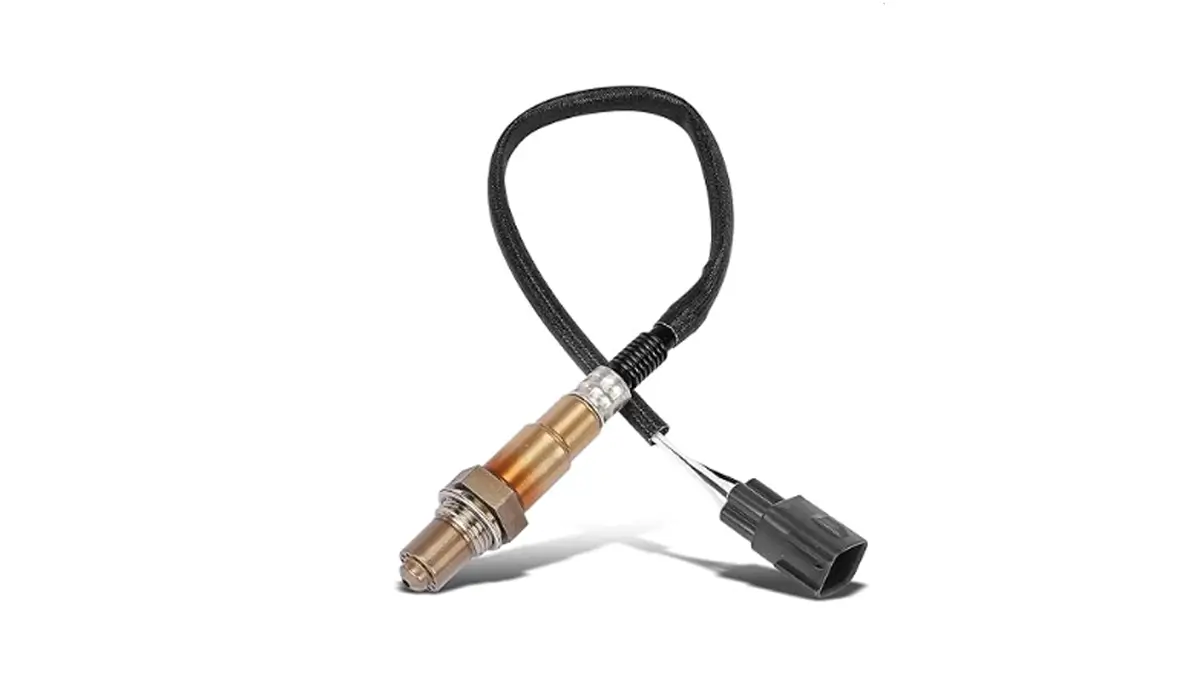
Role of the oxygen sensor
The objective of the lambda sensor is to reduce pollutant emissions and decrease fuel consumption by allowing the engine control unit to more precisely adjust the amount of fuel consumed compared to older generation engines using carburettors.
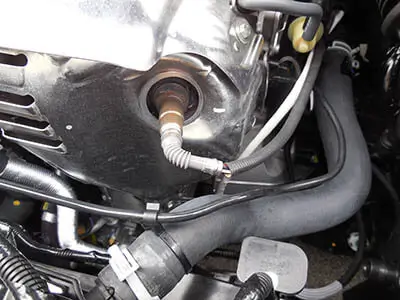
Indeed, the combustion of different types of fuel generates toxic substances that must be eliminated to comply with environmental pollution standards.
How the lambda sensor works
The lambda sensor is located in the exhaust system before the catalyst to measure the oxygen content of the burnt gases from combustion.
It derives a value called lambda (represented by the Greek letter λ), which must be between 0.97 and 1.03 to meet pollution standards. This is a coefficient measuring the air-fuel ratio.
When it equals 1, this indicates a ratio of 1 gram of petrol to 14.7 grams of air, representing perfect balance.
This data is then communicated to the engine control unit so it can determine the optimal air-fuel mixture proportion to make the catalyst as effective as possible.
Note that the lambda value (λ) is recorded on your vehicle inspection report and constitutes a reason for a re-inspection if it does not meet the pollution rate (between 0.97 and 1.03).
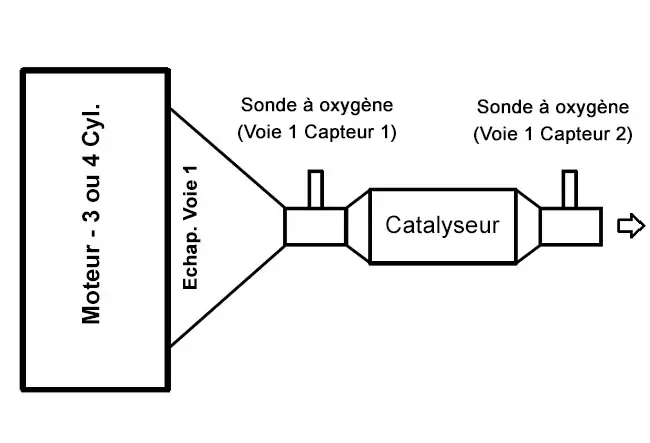
The evolution of European pollution standards requires the presence of a second oxygen sensor (EURO 3 standard) after the catalyst to measure the efficiency of the process. This is also referred to as the "diagnostic sensor" of the catalyst and the "downstream sensor," while the first is called the "control sensor" or "upstream sensor."
Defective lambda sensor
The lambda sensor has a lifespan of approximately 150,000 kilometres or more, depending on the vehicle and driving style.
However, several factors can damage the sensor and affect its lifespan:
- Excessive amounts of petrol or oil during combustion
- Poor fuel quality
- Soot and oil residues in exhaust gases
- Large temperature variations
- Salt or dust (environmental factors)
What are the consequences of a defective oxygen sensor?
A defective lambda sensor can cause problems because, without control, the catalyst will also wear out faster, which can lead to costly repairs. Furthermore, as the transmitted data is unreliable, this will result in increased pollutant emissions and higher fuel consumption.
Note that as it ages, the sensor may struggle to send a signal to the control unit, which can trigger the engine's limp mode.
This mode is known to cause issues such as clogging of the exhaust system or the EGR valve...
Therefore, to ensure the lambda sensor's longevity, it is essential to maintain the engine in good condition (spark plugs, air filter, etc.).
How to recognise a defective lambda sensor?
Checking the condition of your sensor can be challenging.
However, several signs may indicate a defective lambda sensor:
- Engine warning light illumination
- Increased fuel consumption and/or pollutant emissions
- Unstable idle speed
- Noticeable loss of performance
These factors are difficult to measure, so we strongly recommend performing a car diagnostic to access data from your sensor as well as the engine and transmission, which can help you monitor your vehicle's condition.
Replacing a defective lambda sensor
How much does it cost to replace the sensor?
Replacing a lambda sensor can be quite expensive. The sensor's price ranges between €100 and €150, depending on the vehicle's make and model. Replacement takes approximately 1 to 2 hours.
Additionally, driving for an extended period with a defective lambda sensor damages the catalyst... Therefore, it is often necessary to replace all related components simultaneously, as their operation is closely linked.
Cleaning the lambda sensor
Some garages or automotive centres offer lambda sensor cleaning. However, this operation is not always suitable, as the sensor is an electronic and chemical component, and cleaning it may only extend its life by (perhaps) 10,000 km.
Other articles you may find interesting
Share this article