
You may have already experienced this phenomenon with your car. Engine overheating is a dreaded issue for drivers. Indeed, an overheating engine can lead to severe damage and trigger the red warning light on the dashboard. However, there are solutions to keep driving with this car issue.
What is overheating?
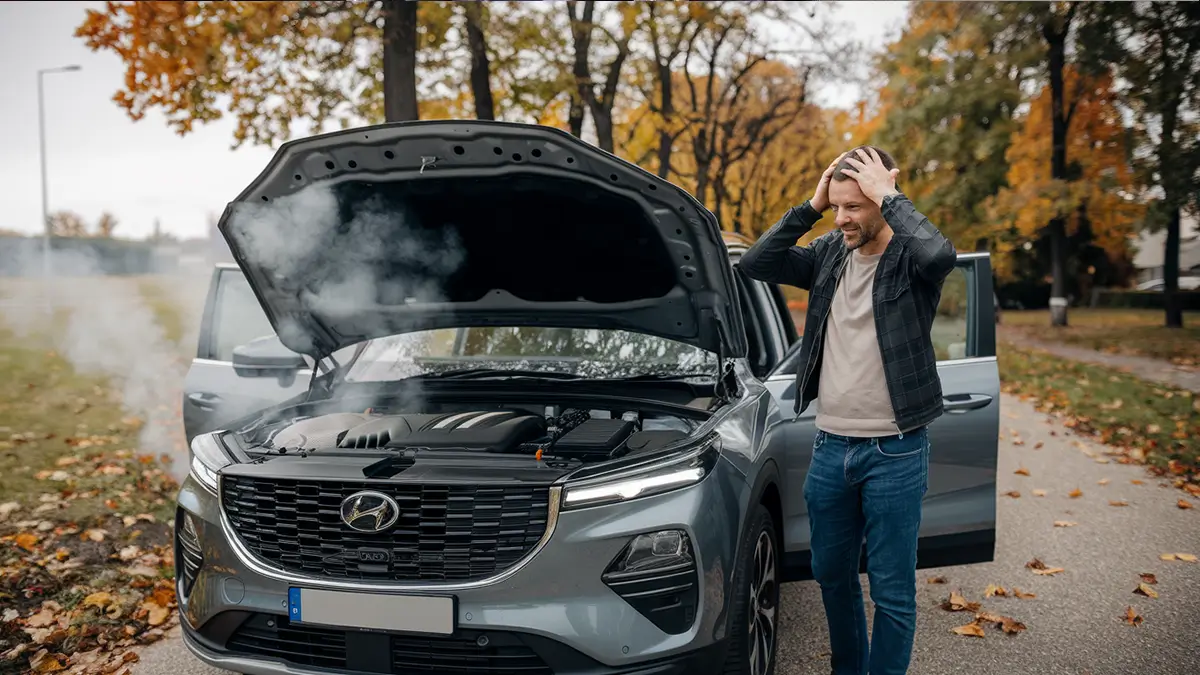
During operation, a combustion engine heats up due to the combustion occurring in the cylinders and friction. This heat must be dissipated by the engine's cooling system. If the cooling system fails or a combustion issue arises, heat accumulates in the engine. This phenomenon is called engine overheating and can lead to severe engine damage.
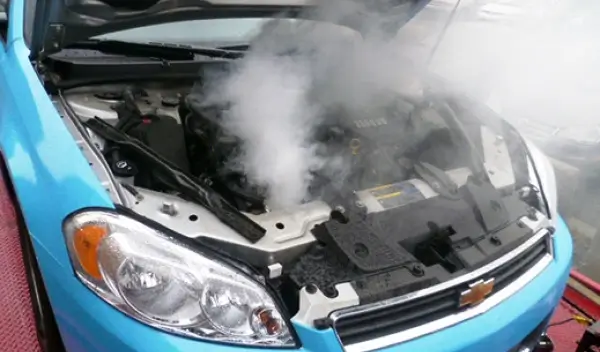
Signs of engine overheating
In case of engine overheating, you will first notice the temperature gauge rising significantly. The ideal temperature for an engine is around 90°C. The gauge should remain within a range of ±10°C for optimal operation. In case of overheating (120°C), the red coolant warning light will turn on. You must stop immediately to avoid the engine losing power and eventually breaking down.
What to do in case of engine overheating
Check for a leak
The primary cause of engine overheating is usually a coolant issue. Coolant is responsible for transferring heat from the engine to the radiator for dissipation. First, check your coolant level; a low level may indicate a leak in one of the engine hoses. Inspect the engine for moisture or droplets falling under your car to identify the source of the leak.
Hoses are rubber "pipes" that can crack or split with age. If no leak is present, top up the coolant level.
Caution: It is recommended to perform this operation when the engine is cold. The cooling system is pressurised when the engine is hot.
Check your radiator
Coolant carries heat to the radiator, which is designed to dissipate it. For the radiator to function properly, it must not be clogged, as this would prevent air from passing through and cooling the liquid.
To address this issue, you can clean it using a high-pressure water jet to remove debris and dead leaves trapped inside the radiator. Another method is to use a nylon brush for initial cleaning, followed by compressed air. Direct the compressed air from the back of the radiator to the front for this procedure.
Check the fan
The fan helps cool the radiator when it overheats, which typically happens during urban trips where air circulation in the engine is insufficient. Therefore, it is essential to determine whether the fan is malfunctioning.
Visually inspect the fan blades to ensure they are in good condition and that the electrical connections are not damaged. During overheating, the fan should activate. If the fan is not running, the issue lies with its control system. Check your thermoswitch.
Check the thermoswitch
The thermoswitch is responsible for activating the fan. Depending on the radiator's temperature, the fan's speed adjusts accordingly. This sensor, mounted on the radiator, may be faulty and fail to activate the fan.
Check the thermostat
The thermostat, also known as the calorstat, is located on the engine housing. It allows the engine to heat up faster when cold (below 90°C) by preventing coolant from passing through the radiator. A faulty thermostat may remain stuck closed, preventing the radiator from cooling the engine.
To check its functionality, ensure that when the engine overheats, heat is also present at the radiator.
Check your coolant
Coolant has specific properties to ensure its role as a "heat transporter." Coolant must be drained and replaced regularly following the manufacturer's recommendations. Old coolant may cause overheating.
Additionally, ensure the cooling system does not contain air bubbles, which could reduce its efficiency. If air is present, the system will need to be bled.
Driving with an overheating engine
You can drive with an overheating engine. However, it is strongly advised to identify the cause of the issue and repair it as soon as possible.
Turn off the engine
First, you must turn off your engine at the first sign of overheating. Wait until the temperature gauge returns to a normal value before resuming your journey. Once the temperature is back to normal, you can restart the engine.
Turn off the air conditioning and turn on the heater
Turn the heater to maximum. The heater works by drawing heat from the engine and releasing it into the cabin. Turning the heater to maximum will help dissipate the excess heat caused by engine overheating.
Tips to avoid an overheating engine

In traffic jams, try to drive slowly instead of constantly stopping and starting. This puts less strain on the engine. If traffic is completely stationary, turn off the engine, switch off the air conditioning, and open the windows to ventilate the cabin.
Regularly changing your oil can help prevent engine overheating. If you have this done by a mechanic, ask them to check the fan's condition and the coolant level if necessary.
Other articles you might find interesting
Share this article